🦴 Orthopedics
Knee Prosthesis
Starting from: 3.000 €
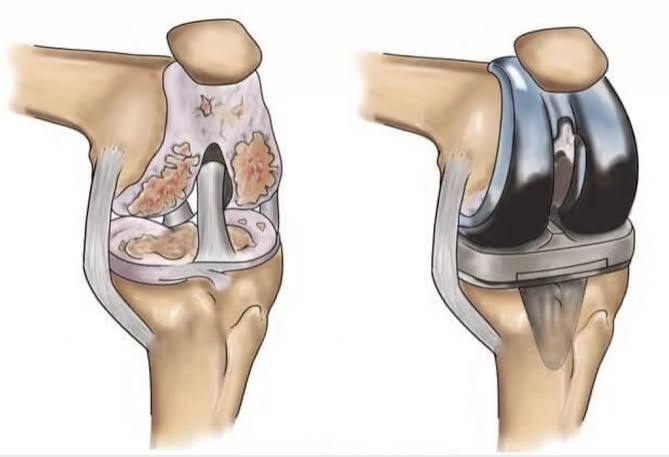
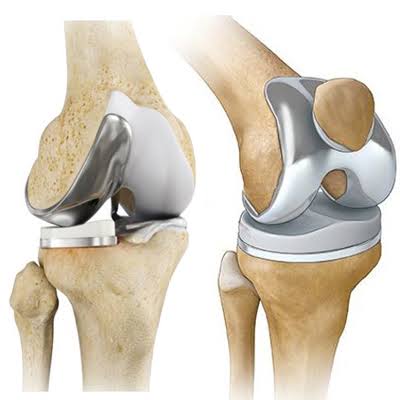
Knee replacement surgery is a procedure in which the severely worn, calcified, or damaged knee joint surfaces are covered with artificial surfaces made from metal and special durable plastic (polyethylene) materials. This surgical intervention is applied to patients who do not benefit from non-surgical methods such as medication, physical therapy, cane use, or intra-articular injections. The main objectives are to eliminate severe knee pain, increase mobility, and restore the patient's quality of life.
Our Doctors
Highlights
✓Knee Prosthesis Types
Total Knee Prosthesis: Complete replacement of all cartilage surfaces that form the knee joint (femur, tibia, and patella bone) with completely artificial components.
✓Partial (Partial / Half) Knee Prosthesis: In cases where wear is limited to only one area of the knee, a smaller-scale surgery applied only to the damaged area without touching the intact portions.
✓Who Is It Suitable For?
Those with advanced knee osteoarthritis. Those with disrupted joint integrity following rheumatoid arthritis or severe trauma. Those suffering from chronic knee pain that does not subside even at rest and wakes them from sleep. Those experiencing movement restrictions to the extent that they cannot perform daily routine tasks such as walking and climbing stairs on their own. Generally, patients between 60-80 years of age are preferred, but in necessary situations, it can also be applied at younger ages.
✓How Is Knee Prosthesis Surgery Performed?
Knee prosthesis surgery is performed under general or spinal anesthesia and typically lasts 45-90 minutes. During the surgical procedure, damaged bone and cartilage tissues in the knee joint are carefully removed and replaced with artificial joint components. These components are usually made from durable materials such as metal alloys and high-density polyethylene. Correct positioning of the prosthesis is of great importance for the patient to move painlessly and normally after surgery.
✓Robotic Knee Prosthesis Surgery
In addition to commonly used routine prosthesis surgery methods, robotic surgery has also been used in this field in recent years. Robotic surgery helps ensure that bone cuts are made in the most ideal position and assists in placing the prosthesis in the most appropriate manner. This method can accelerate the healing process and reduce the risk of complications. Knee prosthesis surgery is performed under spinal or general anesthesia and patients typically remain hospitalized for 1-3 days after surgery for treatment. The success of the surgery can greatly improve the patient's quality of life.
Recovery Process
Operation: Performed under general or spinal (waist numbness) anesthesia. In recent years, robotic surgical methods that enable placement of the prosthesis at the most ideal angle are also frequently preferred.
Hospital Stay: Patients are typically hospitalized for 2 to 3 nights following surgery.
First Weight-Bearing: Usually on the day after surgery, weight-bearing walking is achieved with the assistance of a physiotherapist and walker support. Physical Therapy: Following surgery, regular home exercises or a physical therapy program is vital in order to gain knee range of motion and strengthen the muscles.
Frequently Asked Questions
How is Knee Replacement Surgery Performed?
During knee replacement surgery, the damaged joint surfaces are surgically removed and replaced with an artificial joint prosthesis made of metal and plastic. The surgery is usually performed under general anesthesia or spinal anesthesia and takes an average of 45-90 minutes.
How is the Recovery Process After Knee Replacement Surgery?
Physiotherapy is very important during the first few weeks after surgery. Patients typically begin walking exercises on the day of surgery. The complete recovery process may take 6-8 weeks depending on the patient's general health status and post-operative rehabilitation program.
What are the Risks of Knee Replacement Surgery?
Like any surgical procedure, knee replacement surgery has some risks. These may include complications such as infection, blood clots, loosening or displacement of the prosthesis, and nerve damage. However, these risks are quite low when appropriate precautions are taken.
How Long Do the Pains Last After Knee Replacement Surgery?
The pain that occurs after surgery can be minimized with pain relief medications used and cold applications. However, several months may pass for complete healing. For post-operative pain management, your doctor will provide you with appropriate pain relievers and rehabilitation recommendations.
How Long Do the Pains Last After Knee Replacement Surgery?
The majority of patients can return to their daily activities within 6-8 weeks after surgery. However, the complete recovery process may take several months. Activities such as high-energy sports and heavy lifting should be avoided.
Learn Your Treatment Price
Use our free price calculator for a personalized, transparent quote, or contact our expert team.
Calculate Price